Anonyme Auswertung zur Fehlerbehebung und Weiterentwicklung
Meta Pixel (via Matomo TagManager)
Meta Platforms Ireland Ltd., Irland
Beim Zugriff auf manche Teildienste unserer Website werden zusätzliche personenbezogene Daten verarbeitet. Dabei verarbeitete Datenkategorien: technische Verbindungsdaten des Serverzugriffs (IP-Adresse, Datum, Uhrzeit, abgefragte Seite, Browser-Informationen) und Daten über die Nutzung der Website sowie die Protokollierung von Klicks auf einzelne Elemente. Zweck der Verarbeitung: Anonymisierung und Erstellung von Statistiken, Untersuchung des Nutzungsverhaltens und Optimierung von Inhalten. Die Rechtsgrundlage für die Verarbeitung: ${RECHTSGRUNDLAGE_ART6_1_A}. Eine Übermittlung von Daten erfolgt: an den selbständigen Verantwortlichen Meta Platforms Ireland Ltd., 4 Grand Canal Square, Grand Canal Harbour, Dublin 2, Irland. Die Rechtsgrundlage für die Datenübermittlung an Meta Platforms Ireland Ltd. ist ${RECHTSGRUNDLAGE_ART6_1_A}. Dies kann auch eine Übermittlung von personenbezogenen Daten in ein Land außerhalb der Europäischen Union bedeuten. Die Übermittlung der Daten in die USA erfolgt aufgrund Art. 45 DSGVO iVm der Angemessenheitsentscheidung C(2023) 4745 der Europäischen Kommission, da sich der Datenempfänger zur Einhaltung der Grundsätze der Datenverarbeitung des Data Privacy Frameworks (DPF) verpflichtet hat.
Hotjar (via Matomo TagManager)
Hotjar Limited, Malta
Beim Besuch dieser Website werden personenbezogene Daten verarbeitet. Dabei verarbeitete Datenkategorien: technische Verbindungsdaten des Serverzugriffs (IP-Adresse, Datum, Uhrzeit, abgefragte Seite, Browser-Informationen) und Daten über die Nutzung der Website sowie die Protokollierung von Klicks auf einzelne Elemente. Zweck der Verarbeitung: Anonymisierung und Erstellung von Statistiken, Untersuchung des Nutzungsverhaltens und Optimierung von Inhalten. Die Rechtsgrundlage für die Verarbeitung: ${RECHTSGRUNDLAGE_ART6_1_A}. Eine Übermittlung von Daten erfolgt: an den Auftragsverarbeiter Hotjar Limited, Level 5, Dragonara Business Centre, Dragonara Road, Paceville St Julian's STJ 3141, Malta. Dies kann auch eine Übermittlung von personenbezogenen Daten in ein Land außerhalb der Europäischen Union bedeuten. Die Übermittlung der Daten erfolgt auf Basis Ihrer Einwilligung gemäß Art. 6 Abs 1 lit a iVm Art. 49 Abs 1 lit a DSGVO. Sie wurden bereits vor Erteilung Ihrer Einwilligung informiert, dass die USA über kein den Standards der EU entsprechendes Datenschutzniveau verfügt. Insbesondere können US Geheimdienste auf Ihre Daten zugreifen, ohne dass Sie darüber informiert werden und ohne dass Sie dagegen rechtlich vorgehen können.
ActiveCampaign (via Matomo TagManager)
ActiveCampaign, LLC., USA
Beim Besuch dieser Website werden personenbezogene Daten verarbeitet. Dabei verarbeitete Datenkategorien: Daten zur Erstellung von Nutzungsstatistiken. Zweck der Verarbeitung: Anonymisierung und Erstellung von Statistiken und Untersuchung des Nutzungsverhaltens. Die Rechtsgrundlage für die Verarbeitung: ${RECHTSGRUNDLAGE_ART6_1_A}. Eine Übermittlung von Daten erfolgt: an den selbständigen Verantwortlichen ActiveCampaign, 1 North Dearborn Street, 5th floor Chicago, IL 60602 Chicago, USA. Die Rechtsgrundlage für die Datenübermittlung an ActiveCampaign ist ${RECHTSGRUNDLAGE_ART6_1_A}.
Cloudflare Webtracking (via Matomo TagManager)
Cloudflare, Inc,
Beim Besuch dieser Website werden personenbezogene Daten verarbeitet. Dabei verarbeitete Datenkategorien: Daten zur Erstellung von Nutzungsstatistiken. Zweck der Verarbeitung: Anonymisierung und Erstellung von Statistiken und Untersuchung des Nutzungsverhaltens. Die Rechtsgrundlage für die Verarbeitung: ${RECHTSGRUNDLAGE_ART6_1_A}. Eine Übermittlung von Daten erfolgt: an den selbständigen Verantwortlichen Cloudflare Webtracking, , . Die Rechtsgrundlage für die Datenübermittlung an Cloudflare Webtracking ist ${RECHTSGRUNDLAGE_ART6_1_A}.
Targeting / Profiling / Werbung (7)
Personalisierte Werbung außerhalb unserer Website
Bing Ads (Microsoft UET) (via Matomo TagManager)
Microsoft Ireland Operations Limited, Irland
Beim Besuch dieser Website werden personenbezogene Daten verarbeitet. Dabei verarbeitete Datenkategorien: Daten über die Nutzung der Website sowie die Protokollierung von Klicks auf einzelne Elemente. Zweck der Verarbeitung: Untersuchung des Nutzungsverhaltens, Analyse der Wirkung von Online-Marketing Maßnahmen und Auswahl von Online-Werbung auf anderen Plattformen, die mittels Real-Time-Bidding anhand des Nutzungsverhaltens automatisch ausgewählt werden. Die Rechtsgrundlage für die Verarbeitung: ${RECHTSGRUNDLAGE_ART6_1_A}. Eine Übermittlung von Daten erfolgt: an den selbständigen Verantwortlichen Microsoft Ireland Operations Limited, One Microsoft Place South County Business Park, Leopardstown Dublin, 18 D18 P521, Irland. Die Rechtsgrundlage für die Datenübermittlung an Microsoft Ireland Operations Limited ist ${RECHTSGRUNDLAGE_ART6_1_A}. Dies kann auch eine Übermittlung von personenbezogenen Daten in ein Land außerhalb der Europäischen Union bedeuten. Die Übermittlung der Daten in die USA erfolgt aufgrund Art. 45 DSGVO iVm der Angemessenheitsentscheidung C(2023) 4745 der Europäischen Kommission, da sich der Datenempfänger zur Einhaltung der Grundsätze der Datenverarbeitung des Data Privacy Frameworks (DPF) verpflichtet hat.
Meta Pixel (via Matomo TagManager)
Meta Platforms Ireland Ltd., Irland
Beim Besuch dieser Website werden personenbezogene Daten verarbeitet. Dabei verarbeitete Datenkategorien: Daten über die Nutzung der Website sowie die Protokollierung von Klicks auf einzelne Elemente. Zweck der Verarbeitung: Untersuchung des Nutzungsverhaltens, Analyse der Wirkung von Online-Marketing Maßnahmen und Auswahl von Online-Werbung auf anderen Plattformen, die mittels Real-Time-Bidding anhand des Nutzungsverhaltens automatisch ausgewählt werden. Die Rechtsgrundlage für die Verarbeitung: ${RECHTSGRUNDLAGE_ART6_1_A}. Eine Übermittlung von Daten erfolgt: an den selbständigen Verantwortlichen Meta Platforms Ireland Ltd., 4 Grand Canal Square, Grand Canal Harbour, Dublin 2, Irland. Die Rechtsgrundlage für die Datenübermittlung an Meta Platforms Ireland Ltd. ist ${RECHTSGRUNDLAGE_ART6_1_A}. Dies kann auch eine Übermittlung von personenbezogenen Daten in ein Land außerhalb der Europäischen Union bedeuten. Die Übermittlung der Daten in die USA erfolgt aufgrund Art. 45 DSGVO iVm der Angemessenheitsentscheidung C(2023) 4745 der Europäischen Kommission, da sich der Datenempfänger zur Einhaltung der Grundsätze der Datenverarbeitung des Data Privacy Frameworks (DPF) verpflichtet hat.
Google GTag (via Matomo TagManager)
Google Ireland Limited, Irland
Beim Besuch dieser Website werden personenbezogene Daten verarbeitet. Dabei verarbeitete Datenkategorien: Daten über die Nutzung der Website sowie die Protokollierung von Klicks auf einzelne Elemente. Zweck der Verarbeitung: Untersuchung des Nutzungsverhaltens, Analyse der Wirkung von Online-Marketing Maßnahmen und Auswahl von Online-Werbung auf anderen Plattformen, die mittels Real-Time-Bidding anhand des Nutzungsverhaltens automatisch ausgewählt werden. Die Rechtsgrundlage für die Verarbeitung: ${RECHTSGRUNDLAGE_ART6_1_A}. Eine Übermittlung von Daten erfolgt: an den selbständigen Verantwortlichen Google Ireland Limited, Gordon House, Barrow Street, Dublin 4, Irland. Die Rechtsgrundlage für die Datenübermittlung an Google Ireland Limited ist ${RECHTSGRUNDLAGE_ART6_1_A}. Dies kann auch eine Übermittlung von personenbezogenen Daten in ein Land außerhalb der Europäischen Union bedeuten. Die Übermittlung der Daten in die USA erfolgt aufgrund Art. 45 DSGVO iVm der Angemessenheitsentscheidung C(2023) 4745 der Europäischen Kommission, da sich der Datenempfänger zur Einhaltung der Grundsätze der Datenverarbeitung des Data Privacy Frameworks (DPF) verpflichtet hat. Die Datenschutzerklärung von Google Ireland Limited:
https://business.safety.google/privacy/.
LinkedIn Pixel (via Matomo TagManager)
LinkedIn Ireland Unlimited Company, Irland
Beim Besuch dieser Website werden personenbezogene Daten verarbeitet. Dabei verarbeitete Datenkategorien: Daten über die Nutzung der Website sowie die Protokollierung von Klicks auf einzelne Elemente. Zweck der Verarbeitung: Untersuchung des Nutzungsverhaltens, Analyse der Wirkung von Online-Marketing Maßnahmen und Auswahl von Online-Werbung auf anderen Plattformen, die mittels Real-Time-Bidding anhand des Nutzungsverhaltens automatisch ausgewählt werden. Die Rechtsgrundlage für die Verarbeitung: ${RECHTSGRUNDLAGE_ART6_1_A}. Eine Übermittlung von Daten erfolgt: an den selbständigen Verantwortlichen LinkedIn Ireland Unlimited Company, Wilton Place, Dublin, D02 X527, Irland. Die Rechtsgrundlage für die Datenübermittlung an LinkedIn Ireland Unlimited Company ist ${RECHTSGRUNDLAGE_ART6_1_A}. Dies kann auch eine Übermittlung von personenbezogenen Daten in ein Land außerhalb der Europäischen Union bedeuten. Die Übermittlung der Daten in die USA erfolgt aufgrund Art. 45 DSGVO iVm der Angemessenheitsentscheidung C(2023) 4745 der Europäischen Kommission, da sich der Datenempfänger zur Einhaltung der Grundsätze der Datenverarbeitung des Data Privacy Frameworks (DPF) verpflichtet hat.
TikTok Pixel (via Matomo TagManager)
TikTok Technology Limited, Irland
Beim Besuch dieser Website werden personenbezogene Daten verarbeitet. Dabei verarbeitete Datenkategorien: Daten über die Nutzung der Website sowie die Protokollierung von Klicks auf einzelne Elemente. Zweck der Verarbeitung: Untersuchung des Nutzungsverhaltens, Analyse der Wirkung von Online-Marketing Maßnahmen und Auswahl von Online-Werbung auf anderen Plattformen, die mittels Real-Time-Bidding anhand des Nutzungsverhaltens automatisch ausgewählt werden. Die Rechtsgrundlage für die Verarbeitung: ${RECHTSGRUNDLAGE_ART6_1_A}. Eine Übermittlung von Daten erfolgt: an den selbständigen Verantwortlichen TikTok Technology Limited, 10 Earlsfort Terrace, Dublin, D02 T380, Irland. Die Rechtsgrundlage für die Datenübermittlung an TikTok Technology Limited ist ${RECHTSGRUNDLAGE_ART6_1_A}. Dies kann auch eine Übermittlung von personenbezogenen Daten in ein Land außerhalb der Europäischen Union bedeuten. Die Übermittlung der Daten erfolgt auf Basis Ihrer Einwilligung gemäß Art. 6 Abs 1 lit a iVm Art. 49 Abs 1 lit a DSGVO. Für einen E-Mail Kontakt zum Datenschutzbeauftragten von TikTok Technology Limited:
https://www.tiktok.com/legal/report/DPO. Die Datenschutzerklärung von TikTok Technology Limited:
https://www.tiktok.com/legal/privacy-policy-eea?lang=de.
Spotify (via Matomo TagManager)
Spotify AB, Schweden
Beim Besuch dieser Website werden personenbezogene Daten verarbeitet. Dabei verarbeitete Datenkategorien: Daten über die Nutzung der Website sowie die Protokollierung von Klicks auf einzelne Elemente. Zweck der Verarbeitung: Anonymisierung und Erstellung von Statistiken, Auswahl von Online-Werbung auf anderen Plattformen, die mittels Real-Time-Bidding anhand des Nutzungsverhaltens automatisch ausgewählt werden und Untersuchung des Nutzungsverhaltens. Die Rechtsgrundlage für die Verarbeitung: ${RECHTSGRUNDLAGE_ART6_1_A}. Eine Übermittlung von Daten erfolgt: an den selbständigen Verantwortlichen Spotify, Regeringsgatan 19, 111 53 Stockholm, Schweden. Die Rechtsgrundlage für die Datenübermittlung an Spotify ist ${RECHTSGRUNDLAGE_ART6_1_A}.
Pinterest Profiling (via Matomo TagManager)
Pinterest Europe Ltd., Irland
Beim Besuch dieser Website werden personenbezogene Daten verarbeitet. Dabei verarbeitete Datenkategorien: Daten über die Nutzung der Website sowie die Protokollierung von Klicks auf einzelne Elemente. Zweck der Verarbeitung: Untersuchung des Nutzungsverhaltens, Analyse der Wirkung von Online-Marketing Maßnahmen und Auswahl von Online-Werbung auf anderen Plattformen, die mittels Real-Time-Bidding anhand des Nutzungsverhaltens automatisch ausgewählt werden. Die Rechtsgrundlage für die Verarbeitung: ${RECHTSGRUNDLAGE_ART6_1_A}. Eine Übermittlung von Daten erfolgt: an den selbständigen Verantwortlichen Pinterest Europe Ltd., Palmerston House, 2nd Floor, Fenian Street, Dublin 2, Irland. Die Rechtsgrundlage für die Datenübermittlung an Pinterest Europe Ltd. ist ${RECHTSGRUNDLAGE_ART6_1_A}. Dies kann auch eine Übermittlung von personenbezogenen Daten in ein Land außerhalb der Europäischen Union bedeuten. Die Übermittlung der Daten erfolgt auf Basis Ihrer Einwilligung gemäß Art. 6 Abs 1 lit a iVm Art. 49 Abs 1 lit a DSGVO. Sie wurden bereits vor Erteilung Ihrer Einwilligung informiert, dass die USA über kein den Standards der EU entsprechendes Datenschutzniveau verfügt. Insbesondere können US Geheimdienste auf Ihre Daten zugreifen, ohne dass Sie darüber informiert werden und ohne dass Sie dagegen rechtlich vorgehen können. Für einen E-Mail Kontakt zum Datenschutzbeauftragten von Pinterest Europe Ltd.:
https://help.pinterest.com/de/data-protection-officer-contact-form. Die Datenschutzerklärung von Pinterest Europe Ltd.:
https://policy.pinterest.com/de/privacy-policy.
Einbindung zusätzlicher Informationen
YouTube
Google Ireland Limited, Irland
Beim Zugriff auf manche Teildienste unserer Website werden zusätzliche personenbezogene Daten verarbeitet. Dabei verarbeitete Datenkategorien: technische Verbindungsdaten des Serverzugriffs (IP-Adresse, Datum, Uhrzeit, abgefragte Seite, Browser-Informationen) und Daten zur Erstellung von Nutzungsstatistiken. Zweck der Verarbeitung: Auslieferung von Inhalten, die von Dritten bereitgestellt werden, Auswahl von Online-Werbung auf anderen Plattformen, die mittels Real-Time-Bidding anhand des Nutzungsverhaltens automatisch ausgewählt werden und Übermittlung und Darstellung von Video-Inhalten. Die Rechtsgrundlage für die Verarbeitung: ${RECHTSGRUNDLAGE_ART6_1_A}. Eine Übermittlung von Daten erfolgt: in gemeinsamer Verantwortung an Google Ireland Limited, Gordon House, Barrow Street, Dublin 4, Irland. Dies kann auch eine Übermittlung von personenbezogenen Daten in ein Land außerhalb der Europäischen Union bedeuten. Die Übermittlung der Daten in die USA erfolgt aufgrund Art. 45 DSGVO iVm der Angemessenheitsentscheidung C(2023) 4745 der Europäischen Kommission, da sich der Datenempfänger zur Einhaltung der Grundsätze der Datenverarbeitung des Data Privacy Frameworks (DPF) verpflichtet hat.


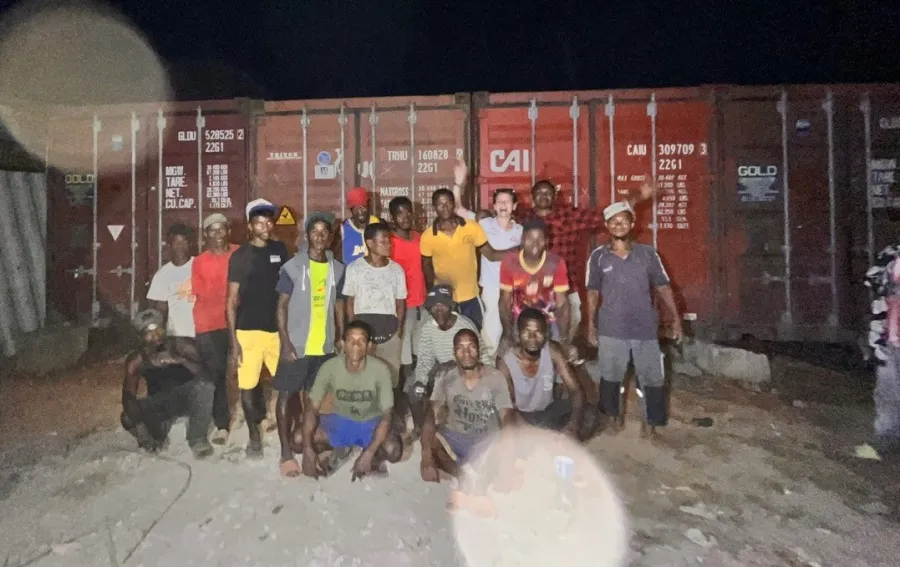
 My name is Gabriela Adam. I’m from Romania and I’ve lived in Austria for 16 years. I studied civil engineering and then moved to Vienna to do my master’s degree – and I stayed.